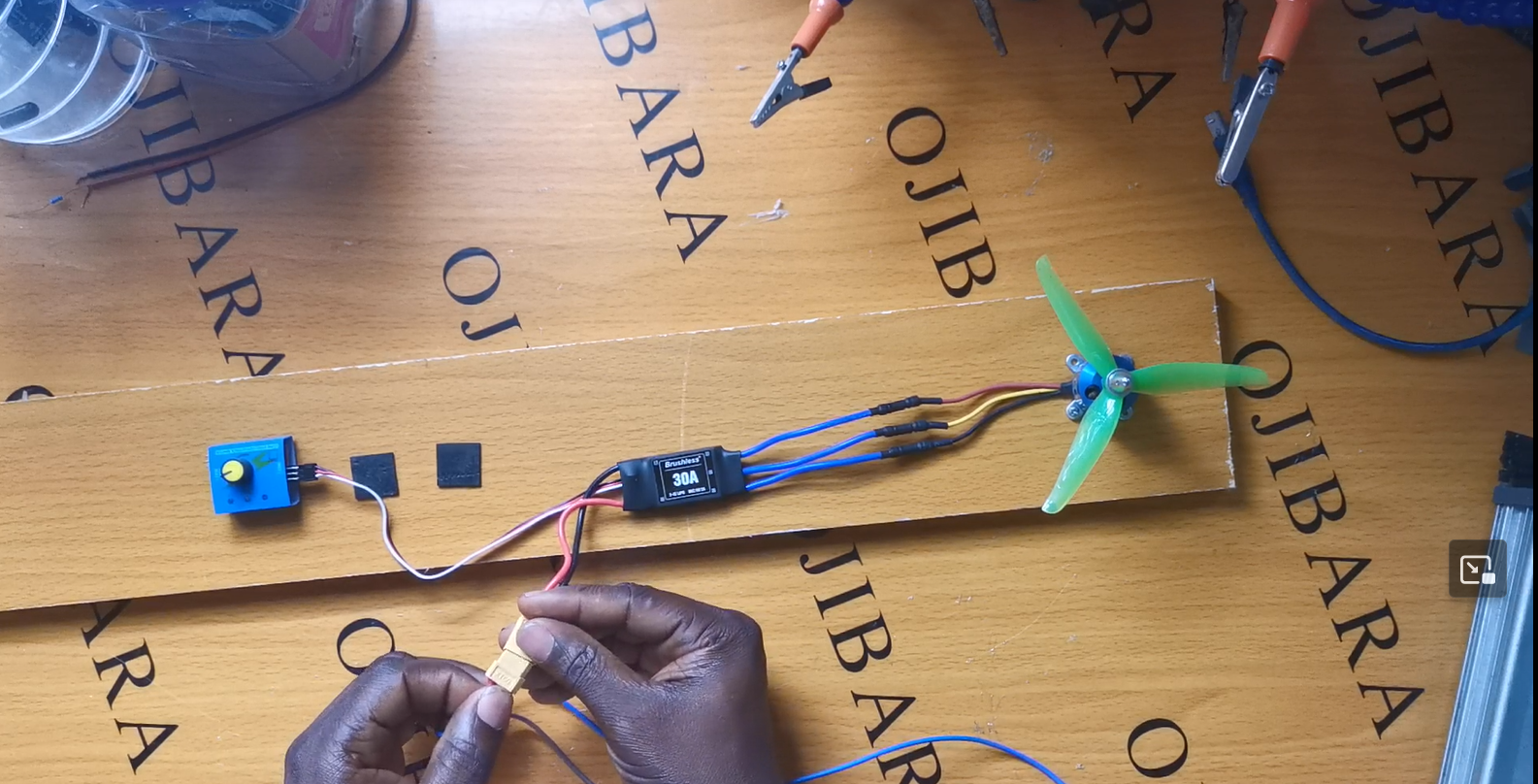
If you’ve ever wanted to spin up a Brushless DC (BLDC) motor for a project—like a DIY power tool, a cooling fan, or a simple test rig—you might have been intimidated by the complexity of electronic speed controllers (ESCs).
The good news? You don’t need a flight controller or a complex radio system to get that motor spinning. You can use a servo tester. This small, inexpensive device acts as a manual throttle, allowing you to control high-speed motors with the turn of a knob.
The Core Components
To get this setup running, you’ll need four primary components:
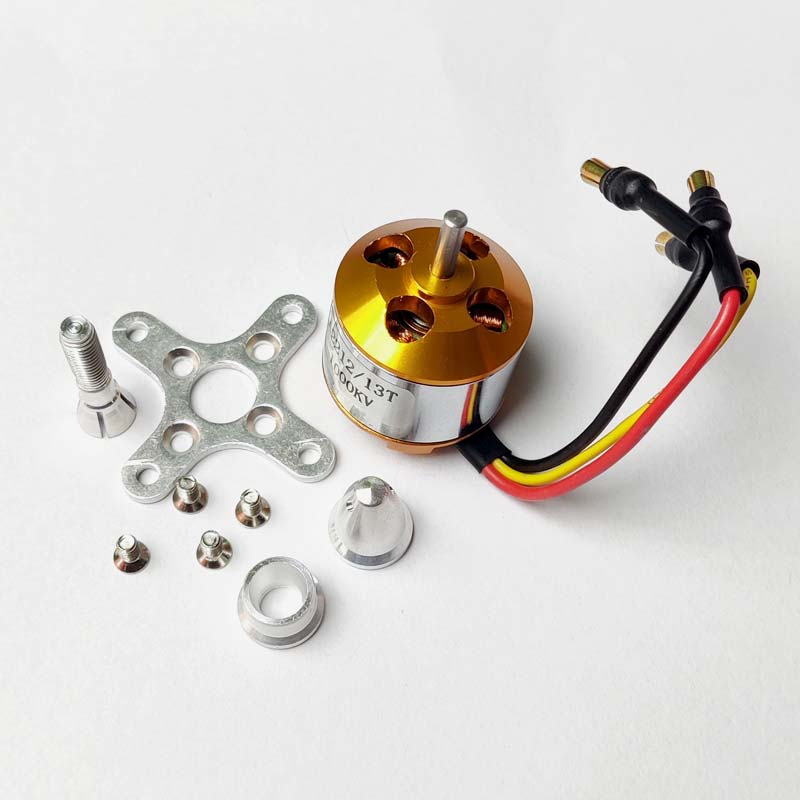
- BLDC Motor: Common in drones and RC planes. They are efficient and powerful but cannot run directly off a battery.
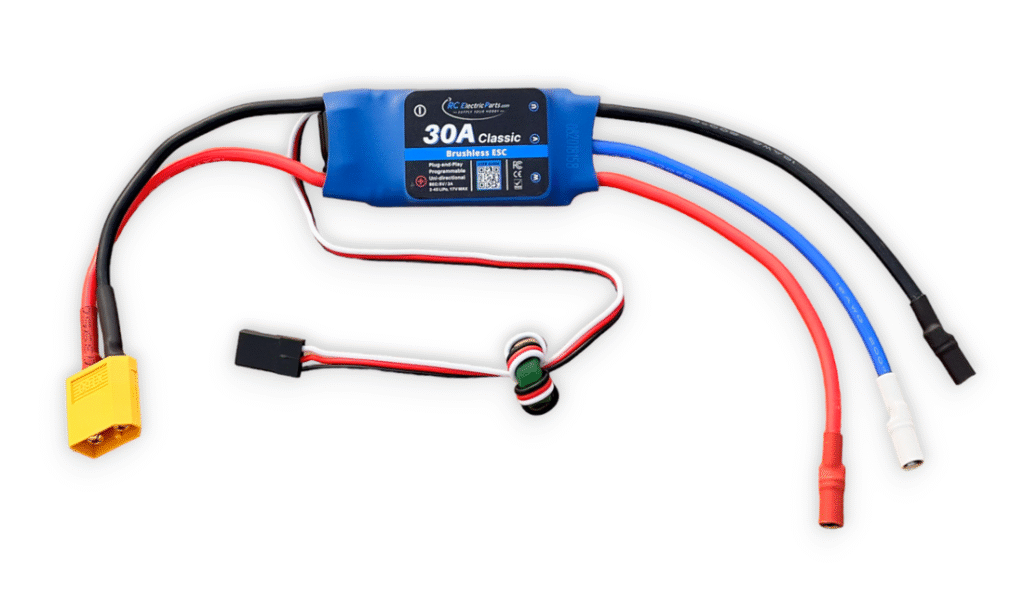
- Electronic Speed Controller (ESC): This acts as the “brain.”3 It converts DC power from your battery into the three-phase signals required to spin the motor.
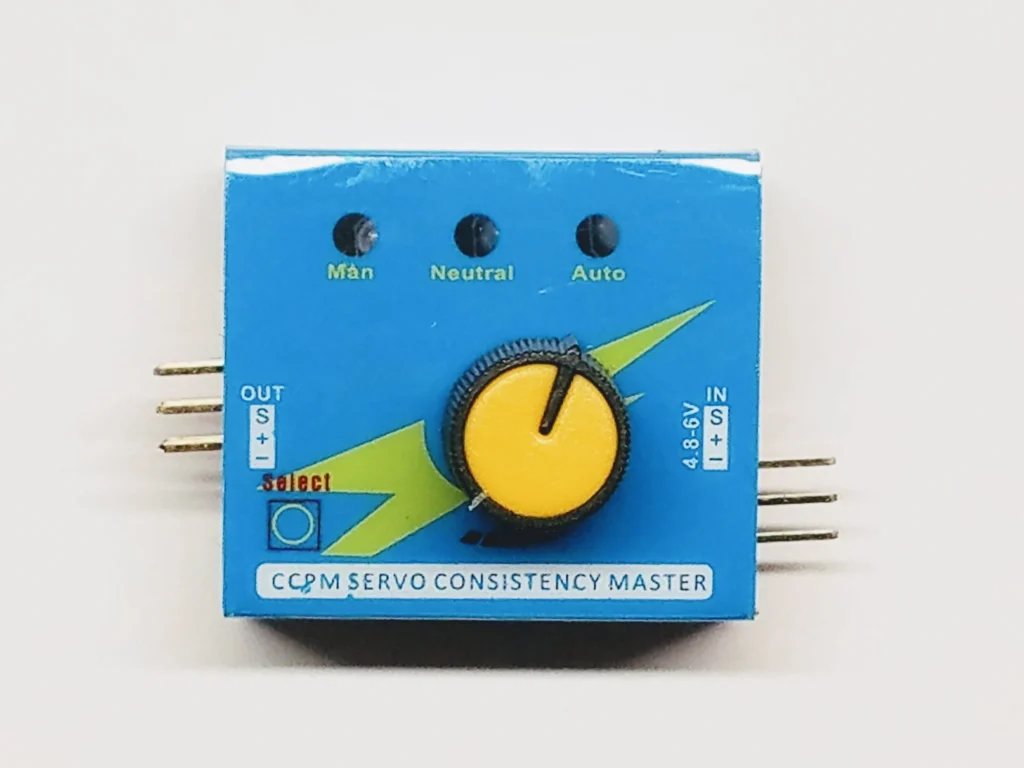
- Servo Tester: This replaces the RC receiver. It sends a Pulse Width Modulation (PWM) signal to the ESC to tell it how fast to spin.
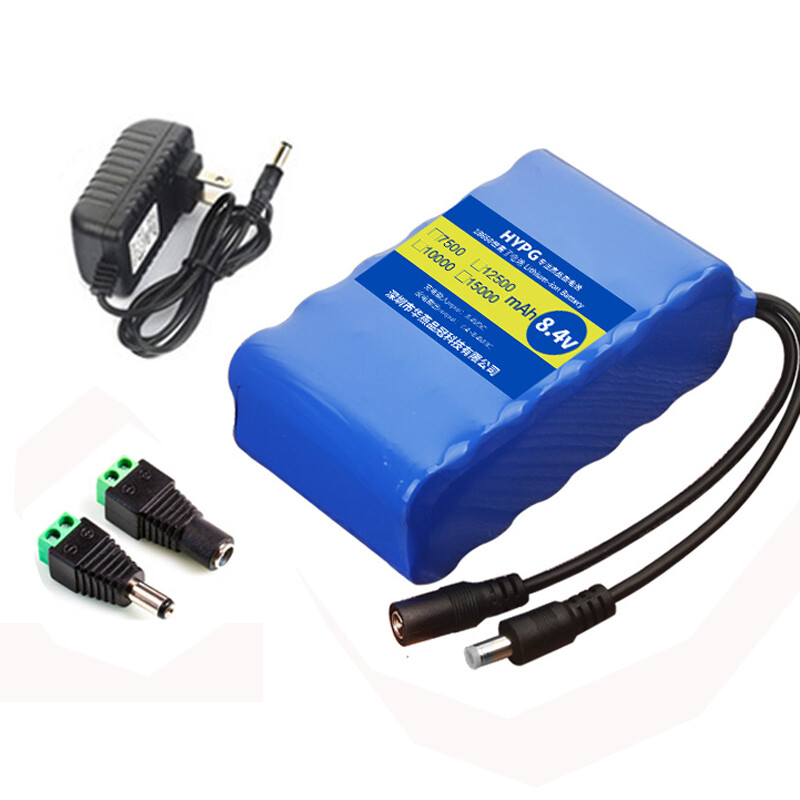
- Power Source: Usually a LiPo battery or a regulated DC power supply matching your ESC’s voltage rating.
Step-by-Step Wiring Guide
Wiring a BLDC motor is straightforward, but precision is key to avoid short circuits.
- Motor to ESC: Connect the three wires from the motor to the three wires on one side of the ESC.Pro Tip: If the motor spins in the wrong direction, simply swap any two of these three wires.
- ESC to Battery: Connect the thick red (positive) and black (negative) wires to your power source.
- ESC to Servo Tester: The ESC will have a smaller, three-wire connector (usually white/yellow for signal, red for power, and black/brown for ground). Plug this into the “Out” port of the servo tester.
A Note on Power (BEC)
Most hobby ESCs have a Battery Eliminator Circuit (BEC). This means the ESC actually sends 5V back through the small wires to power the servo tester. If your ESC has a BEC, you don’t need a separate battery for the tester itself.
How to Operate Safely
- The “Zero” Position: Before connecting the battery, turn the knob on the servo tester all the way to the lowest position (usually counter-clockwise). Most ESCs have a safety feature where they won’t arm if they detect a high throttle signal at startup.
- The Calibration Beeps: Plug in the battery. You will hear a series of beeps from the motor (it uses its coils like a speaker). A steady “ready” tone indicates the ESC has recognized the signal from the tester.
- Throttle Up: Slowly turn the knob. The motor will begin to spin.
Why Does This Work?
Servo testers work by generating a PWM signal with a pulse width typically ranging from 1.0ms to 2.0ms at a frequency of 50Hz.
- 1.0ms pulse: Tells the ESC the throttle is at 0%.
- 1.5ms pulse: Tells the ESC the throttle is at 50%.
- 2.0ms pulse: Tells the ESC the throttle is at 100%.
The ESC interprets these pulses and adjusts the switching frequency of the MOSFETs inside it to control the motor speed.10
Safety Warnings
- Secure the Motor: BLDC motors have immense torque.11 Always bolt the motor down to a bench or a heavy mount before testing.
- No Propellers: Never test a motor with a propeller attached indoors or on a workbench.
- Heat: Ensure your ESC is rated for the current (Amps) your motor draws, or it will overheat and potentially fail.